Uncovering Colon’s Forgotten Beauty, One Brick at a Time
Walking through Colón, Panama, isn’t just about ticking off sights—it’s about feeling history in the cracks of colonial walls and hearing stories in the rustle of tropical vines swallowing old buildings. I didn’t come for luxury resorts or crowded landmarks. I came to see—really see—the soul of a city often dismissed as broken. What I found? Architecture that breathes, resilience in every weathered facade, and a pace so slow it lets you fall in love with details most miss. This is not a place of polished perfection but one of raw authenticity, where time has etched its passage into wood and stone, and where every corner holds a whisper of the past. To walk through Colón is to witness a city reclaiming its narrative, one restored doorway, one shared memory, at a time.
Why Slow Travel Fits Colón Like a Vintage Key
Slow travel is not merely a trend; it is a philosophy of presence, of choosing depth over distance and connection over convenience. Nowhere is this more relevant than in Colón, a city long reduced to a footnote in Panama’s story—a transit point, a logistical afterthought, a name mentioned with caution rather than curiosity. Yet for those willing to step off the hurried path, Colón offers a rare gift: the chance to experience urban life not as a spectacle, but as a living, breathing chronicle. Moving slowly here means allowing the rhythm of the city to set the pace. It means pausing to notice how morning light slants across a peeling pastel wall, how children play beneath balconies sagging with decades of tropical humidity, and how shopkeepers greet neighbors by name, their voices rising above the distant hum of cargo ships at the port.
For years, Colón was overshadowed by the Panama Canal’s global significance, its identity subsumed by the machinery of commerce. Travelers passed through, eyes fixed on schedules, rarely lingering. But slow travel reframes the conversation. It asks not what a place can offer in terms of convenience, but what it reveals when given time and attention. In Colón, this shift in perspective transforms the overlooked into the profound. A crumbling facade becomes a record of endurance. A quiet street corner becomes a stage for everyday resilience. The city, once perceived as unsafe or dilapidated, begins to reveal its quiet dignity, its layered history, and its deep-rooted sense of community. This is not a destination for the impatient; it is a place for the observant, the empathetic, the curious.
Moreover, slow travel aligns with Colón’s natural tempo. Life here unfolds in unhurried conversations, in the rhythm of domestic routines, in the steady work of artisans and small traders. There is no rush to impress, no performative charm for tourists. What exists is real—sometimes imperfect, often unpolished, but undeniably authentic. By embracing this pace, visitors gain access to a dimension of travel that transcends postcard moments. They begin to understand that beauty is not always in preservation, but often in persistence. Colón does not need to be frozen in time to be valued; it deserves recognition for how it continues to live, adapt, and remember.
The First Step: Stepping Into a City Misunderstood
Arriving in Colón can be disorienting. The air is thick with humidity and the scent of salt, diesel, and ripe fruit. Sounds overlap—honking horns, distant reggaeton from a passing car, the chatter of vendors setting up their stalls. The streets are uneven, lined with buildings that bear the marks of time: cracked stucco, rusted metal roofs, windows boarded up or left open to the breeze. To some, this might signal neglect. But to those who look closely, it tells a different story—one of survival, adaptation, and quiet continuity. The first step into Colón is not just a physical movement; it is a mental recalibration, a decision to see beyond surface impressions and embrace a city on its own terms.
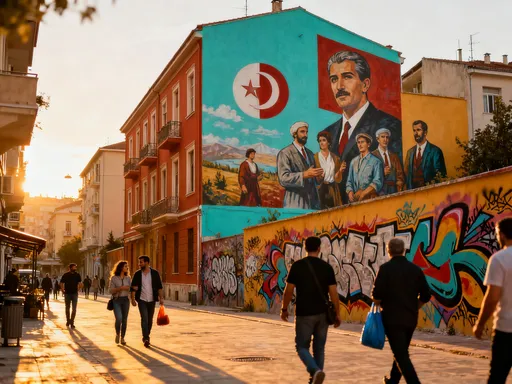
Common narratives paint Colón as dangerous, rundown, or unwelcoming. These perceptions are not entirely unfounded—like many port cities with complex socioeconomic histories, Colón has faced challenges related to poverty, infrastructure, and public safety. Yet reducing the city to these labels overlooks its richness and resilience. What appears as decay can also be read as patina—a testament to endurance. A building leaning slightly from years of tropical storms speaks not only of neglect but of having withstood those very storms. A wall covered in layers of graffiti is not just vandalism; it is a canvas of community expression, a chronicle of voices that refuse to be silenced.
Walking slowly changes everything. It allows the initial sensory overload to settle into a deeper awareness. The narrow streets, once intimidating, become intimate corridors of history. The sounds, once chaotic, form a familiar urban symphony. The people, once perceived as distant or wary, reveal warmth and hospitality when approached with respect. One begins to notice small acts of care: a potted plant on a broken step, a freshly painted door in a faded building, a grandmother sweeping her porch with deliberate care. These gestures, subtle but significant, signal pride, presence, and a quiet determination to maintain dignity in the face of adversity. To walk through Colón with intention is to witness a city not in decline, but in dialogue—with its past, with its present, and with the possibility of its future.
Architecture as Memory: Colón’s Layered Past in Brick and Mortar
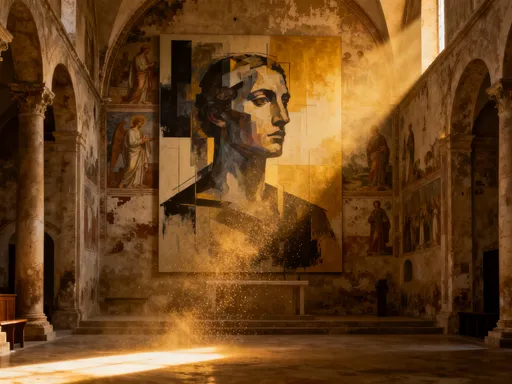
Colón’s architecture is not a single style but a palimpsest—a layered record of the many forces that have shaped it. Each building, each street corner, carries traces of different eras, each leaving its mark in wood, stone, and iron. The city’s earliest structures reflect Caribbean colonial influences, with raised foundations to combat flooding, wide verandas for shade and ventilation, and steeply pitched roofs designed to withstand heavy rains. These practical features were not merely aesthetic; they were born of necessity, responding to the demands of a hot, humid climate and a coastal environment prone to storms. The use of local materials—such as coral stone and hardwood—further rooted these buildings in their environment, creating a vernacular style uniquely suited to the region.
With the arrival of the French in the 1880s during the first attempt to build the Panama Canal, a new architectural language emerged. French engineers brought with them neoclassical ideals—symmetrical facades, arched windows, ornate cornices, and decorative ironwork. Though the French effort ultimately failed, their buildings remained, blending with the existing Caribbean style to create a hybrid aesthetic. Some of these structures still stand today, their facades weathered but proud, their wrought-iron balconies curling like vines against the sky. The influence of this period is particularly evident in the older administrative buildings and homes built for engineers and officials, where European elegance met tropical practicality in unexpected harmony.
The American era, beginning in 1904, introduced yet another layer. As the United States took over the canal project, Colón became a hub of logistical and administrative activity. American architects favored functionality, introducing concrete construction, standardized designs, and modern utilities. While less ornate, these buildings reflected a new era of engineering and efficiency. Elevated walkways, metal roofing, and large windows for airflow became common. Yet even within this utilitarian framework, elements of local adaptation persisted. Buildings were painted in bright colors to reflect sunlight, and open-air layouts allowed for natural cooling—proof that even imported designs had to bow to the realities of the Panamanian climate.
Equally important is the Afro-Antillean influence, brought by thousands of laborers from the English-speaking Caribbean who came to work on the canal. These workers built their own neighborhoods, often using wood-frame construction with clapboard siding, high ceilings, and large windows. Their homes, typically painted in vibrant blues, yellows, and greens, added a distinct cultural flavor to the city’s architectural mosaic. Though many of these structures have been lost to time or redevelopment, their legacy endures in the layout of certain neighborhoods and the enduring presence of Creole-style houses that continue to be maintained by descendants of the original builders. Together, these architectural layers form a physical narrative of Colón’s complex identity—a city shaped by migration, labor, colonial ambition, and cultural fusion.
The Hidden Pulse: Exploring the Historic Core on Foot
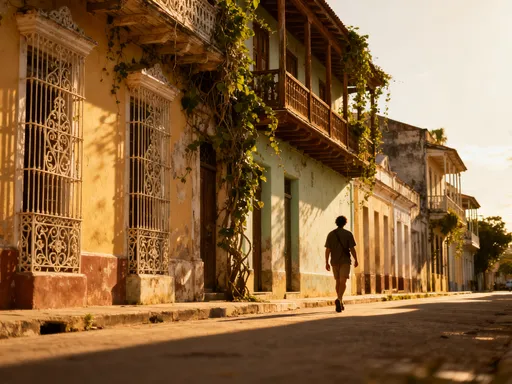
To walk through Colón’s historic core is to move through a city that remembers. Though much has changed, pockets of architectural integrity remain, particularly in the areas surrounding Avenida 6 de Diciembre and Calle Central. Here, the urban fabric still reflects the city’s 19th- and early 20th-century character. Ornate doorways with carved wood panels, pastel-colored facades peeling to reveal older layers of paint, and second-story balconies with intricate iron railings line the streets. Some buildings stand empty, their interiors reclaimed by vines and birds; others have been repurposed—turned into small family-run shops, local eateries, or community gathering spaces. This adaptive reuse is not driven by formal urban planning but by necessity and ingenuity, a quiet form of preservation that keeps the city alive.
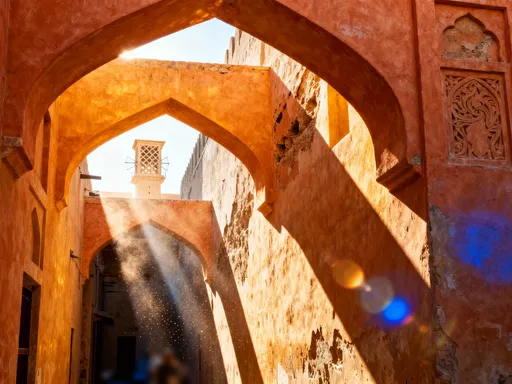
One of the most striking features of Colón’s historic streets is the elevation of ground floors. Many older buildings are raised several feet above street level, supported by stone or concrete columns. This design, originally intended to protect against flooding and improve airflow, now creates shaded passageways where people gather, vendors set up tables, and children play. These semi-public spaces foster a sense of community, turning architecture into social infrastructure. Walking beneath these arcades, one feels both sheltered and connected—part of the city’s daily rhythm. The interplay of light and shadow, the texture of weathered walls, the sound of footsteps on uneven stone—all contribute to an atmosphere that is both nostalgic and vibrantly present.
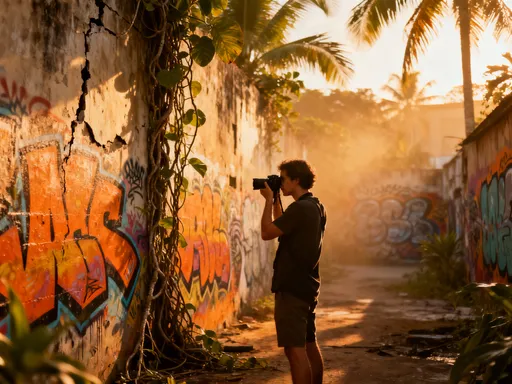
Photographically, the city offers endless compositions: a single shuttered window framed by bougainvillea, a row of mismatched doors each painted a different color, a forgotten column wrapped in ivy. But beyond aesthetics, these details speak to resilience. A building may be crumbling, but if it still shelters a home, a business, or a memory, it is not abandoned—it is in use. This is the hidden pulse of Colón: not in grand monuments or restored landmarks, but in the quiet persistence of everyday life within historic walls. For the mindful traveler, these streets are not ruins but living archives, where every brick tells a story of survival and continuity.
Beyond the Facade: Stories Behind the Structures
Behind every weathered wall in Colón is a family, a history, a decision to stay. Conversations with long-time residents reveal a deep emotional connection to place—one that transcends material conditions. Many speak of homes passed down through generations, of childhoods spent playing in the same courtyards where their grandparents once lived, of weddings, births, and quiet evenings on the porch. One woman, whose family has lived in the same wooden house for over eighty years, describes how her father repaired the roof after each storm, using whatever materials were available. “It’s not perfect,” she says, “but it’s ours. This house has seen us through everything.” Her words reflect a sentiment shared by many: that heritage is not just in architecture, but in memory, in belonging.
Preservation in Colón is often a private act, carried out without funding, recognition, or institutional support. There are no large-scale restoration grants or government-led initiatives for most of the city’s historic buildings. Instead, upkeep is done incrementally—painting a shutter here, replacing a rotted beam there—funded by modest incomes and fueled by pride. This grassroots stewardship is both inspiring and fragile. Without broader support, many of these efforts may not be sustainable in the long term. Yet they represent a powerful form of cultural resistance—a refusal to let history be erased by neglect or redevelopment.
Local advocates, though few in number, are working to change this. Community leaders and heritage enthusiasts have begun informal documentation projects, photographing and cataloging significant buildings before they disappear. Some have organized walking tours led by residents, offering visitors a chance to learn about the city’s history from those who live it. These efforts, though small, are vital. They shift the narrative from one of decay to one of care, from abandonment to agency. They remind us that preservation is not just about saving old buildings—it is about honoring the people who have lived in them, who have shaped them, and who continue to call them home.
Practical Magic: How to Experience Colón’s Architecture Mindfully
Visiting Colón requires preparation, respect, and intention. The best time to walk is early morning, when the heat is manageable and the streets come alive with daily routines—vendors setting up, families heading to school, neighbors exchanging greetings. Late afternoon offers softer light for photography and a chance to observe the city winding down. While Colón is increasingly welcoming to visitors, solo exploration is not recommended for those unfamiliar with the area. Hiring a local guide—not only for safety but for insight—ensures a richer, more informed experience. Guides can share stories, point out architectural details, and provide context that might otherwise be missed.
Respectful photography is essential. Always ask permission before photographing people, especially in residential areas. When photographing buildings, focus on details—the texture of a wall, the pattern of a tile, the curve of a balcony—rather than framing structures as symbols of decay. Avoid sensationalizing poverty or ruin; instead, seek to capture dignity, resilience, and beauty in the everyday. Carrying a small notebook or sketchpad can deepen engagement, encouraging slower observation and personal reflection. Sketching a doorway, jotting down a conversation, or recording the play of light at a certain hour transforms sightseeing into a meditative practice.
Cultural sensitivity is equally important. Colón is not a museum; it is a living city. Visitors should dress modestly, speak politely, and be mindful of private spaces. Supporting local businesses—buying fruit from a street vendor, eating at a family-run restaurant, purchasing handmade crafts—contributes directly to the community. These small acts of reciprocity foster goodwill and ensure that tourism, when done mindfully, becomes a force for connection rather than extraction. The goal is not to take something from Colón, but to engage with it—thoughtfully, humbly, and with gratitude.
The Future in the Foundations: Preservation and Possibility
The future of Colón’s architectural heritage hangs in a delicate balance. On one hand, there is growing recognition of the city’s historical and cultural value. Local organizations, heritage advocates, and even some municipal planners have begun to discuss preservation strategies, adaptive reuse projects, and sustainable tourism models. There is cautious optimism that Colón’s unique character can be protected without sacrificing the needs of its residents. On the other hand, pressures from development, climate change, and economic inequality threaten to erase what remains. Without coordinated effort and investment, many of the city’s historic buildings may not survive the next few decades.
Yet hope persists. Informal preservation—carried out by families, artisans, and community groups—demonstrates that care for heritage is alive, even in the absence of formal support. There is also a growing appreciation among younger generations, who are beginning to see Colón not as a place to escape, but as a source of pride and identity. Educational programs, oral history projects, and cultural festivals are helping to rebuild a sense of ownership and belonging. These grassroots movements, though modest, are laying the foundation for a more sustainable future—one where history and progress are not at odds, but in dialogue.
Slow travel plays a crucial role in this vision. When visitors come with curiosity rather than judgment, when they listen more than they speak, when they value presence over possession, they contribute to a different kind of tourism—one that honors rather than exploits. By choosing to see Colón not as broken, but as beautiful in its imperfection, travelers help shift perceptions and create demand for preservation. Every photograph shared with respect, every conversation held with openness, every dollar spent in a local shop becomes a small act of solidarity.
In the end, Colón teaches us that beauty does not require perfection. It exists in resilience, in memory, in the quiet acts of care that keep a city alive. To walk its streets is to witness history not as a distant past, but as a living presence. And in that awareness, we find not only a deeper connection to place, but a renewed sense of what it means to travel with purpose, empathy, and heart.