You Won’t Believe What I Found in Adelaide’s Hidden Art Spaces
Adelaide isn’t just about wine and festivals—its art scene is quietly revolutionary. I wandered into forgotten laneways, repurposed warehouses, and community studios, discovering creativity pulsing through every brick. These aren’t your typical galleries; they’re raw, real, and deeply immersive. From street murals that tell local stories to intimate exhibitions where artists chat with visitors, Adelaide’s art spaces redefine connection. This city doesn’t display art—it lives it.
The Soul of the City: Why Adelaide Breathes Art
Adelaide’s identity is inseparable from its creative spirit. Compact in size yet expansive in vision, this South Australian capital has cultivated an environment where art thrives not in isolation, but as part of daily life. Unlike larger cities where galleries occupy grand buildings on cultural boulevards, Adelaide integrates art into laneways, tram stops, and even disused service alleys. The city’s embrace of creativity stems from a combination of thoughtful urban planning, strong community values, and consistent government support for the arts. What makes Adelaide unique is not just the volume of artistic activity, but the philosophy behind it—art is not something to be observed from a distance, but experienced up close, often in conversation with its creator.
One of the key drivers of this vibrant ecosystem is the city’s long-standing commitment to cultural accessibility. Programs funded by the South Australian government and local councils provide grants to emerging artists, support community-led installations, and subsidize artist residencies in underutilized spaces. This investment is not merely symbolic; it creates tangible opportunities for experimentation and expression. For instance, the annual SALA (South Australian Living Artists) Festival receives public funding that enables over 700 exhibitions to take place across the state each August. These events occur in cafes, libraries, and even private homes, reinforcing the idea that art belongs everywhere.
Equally important is Adelaide’s festival culture, which transforms the city into a dynamic stage for creative exchange. The Adelaide Fringe, now the largest arts festival in the Southern Hemisphere, welcomes thousands of performers and visual artists each year. What began as a fringe event in the 1960s has evolved into a cornerstone of the city’s cultural calendar, empowering independent creators to claim public spaces for performance and display. This spirit of inclusion—where anyone with a vision can participate—has fostered a grassroots energy that permeates the entire art scene. It encourages risk-taking, celebrates diversity of expression, and invites residents and visitors alike to become active participants rather than passive observers.
Moreover, Adelaide’s walkable city center and strong public transportation system make art discovery effortless. Visitors can easily transition from a morning coffee in a laneway cafe to an afternoon spent exploring a pop-up gallery two blocks away. This accessibility removes barriers often associated with traditional art institutions and allows for spontaneous encounters with creativity. The city’s emphasis on immersion over spectacle means that art is not reserved for special occasions, but woven into the rhythm of everyday life. In Adelaide, art isn’t something you go to see—it’s something you stumble upon, engage with, and carry with you.
Beyond the Gallery Walls: Street Art as Storytelling
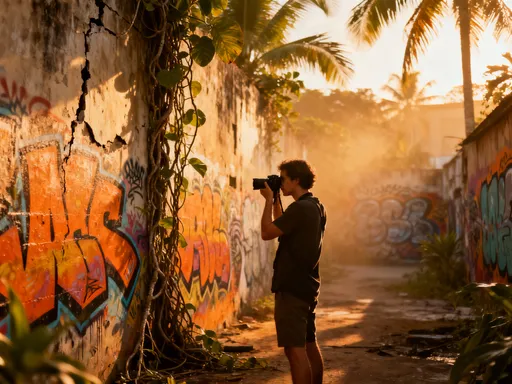
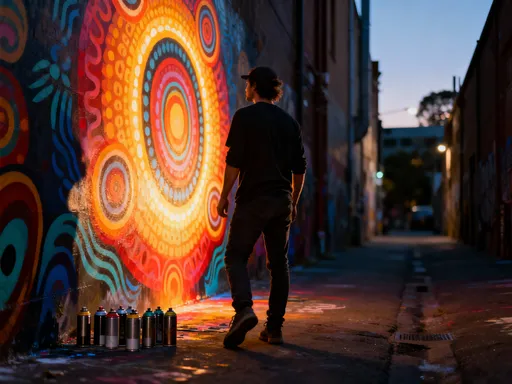
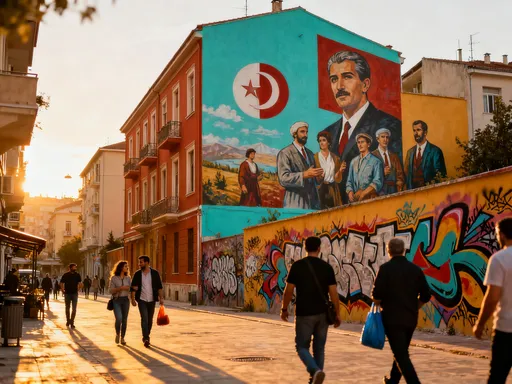
If you walk through Adelaide’s inner city with your eyes open, you’ll quickly realize that the streets themselves are one of the city’s most powerful art galleries. From Topham Mall to Gilbert Street, vibrant murals stretch across brick walls, loading docks, and even electrical boxes, transforming overlooked urban spaces into vivid storytelling canvases. These works are not random acts of decoration—they are deliberate narratives about identity, history, and social consciousness. Each mural carries a message, whether it’s a tribute to Kaurna heritage, a call to protect native wildlife, or a reflection on the city’s industrial past.
One striking example is the large-scale piece by artist Heesco on the side of a building in Leigh Street. The hyper-realistic portrait of an Aboriginal elder, rendered in soft ochre and charcoal tones, gazes calmly over the bustling lane. This work, part of a broader initiative to elevate Indigenous voices in public art, honors the traditional custodians of the land while inviting passersby to pause and reflect. The artist collaborated closely with local community leaders to ensure cultural accuracy and respect, demonstrating how street art can serve as both aesthetic and educational medium. Nearby, another mural by the collective Dvne features swirling native flora and fauna, blending surrealism with environmental advocacy to highlight the region’s unique biodiversity.
These visual narratives are accessible to everyone, regardless of art background or experience. Unlike traditional gallery settings that may feel intimidating or exclusive, street art invites curiosity. There’s no admission fee, no dress code, and no need to whisper—just the freedom to stop, look, and absorb. Many of the murals include QR codes or small plaques that link to artist interviews, project backgrounds, or audio guides, enriching the viewer’s understanding without disrupting the spontaneity of discovery. This blend of openness and depth is what makes Adelaide’s street art scene so compelling.
For those eager to explore further, self-guided walking trails make navigation easy and rewarding. The Adelaide Street Art Trail, promoted by the city council, maps over 50 significant pieces across the CBD and North Adelaide. A companion mobile app enhances the experience with GPS tracking, historical context, and artist profiles, allowing visitors to curate their own journey. Some routes focus on specific themes—such as environmental art or portraits of local changemakers—while others emphasize geographic cohesion, guiding walkers through a series of interconnected laneways. These tools don’t replace serendipity; they amplify it, helping people notice details they might otherwise miss.
Importantly, Adelaide’s approach to street art prioritizes permission and collaboration. Unlike cities where graffiti exists in tension with authorities, here most large murals are commissioned through official programs like the City of Adelaide’s Public Art Strategy. This ensures quality, cultural sensitivity, and long-term preservation. At the same time, designated ‘legal walls’ allow emerging artists to practice freely, fostering a pipeline of talent and keeping the scene fresh and evolving. The result is a dynamic balance between curated excellence and grassroots creativity—one that respects both the artists and the communities in which they work.
Hidden Studios and Pop-Up Spaces: Art in Unexpected Places
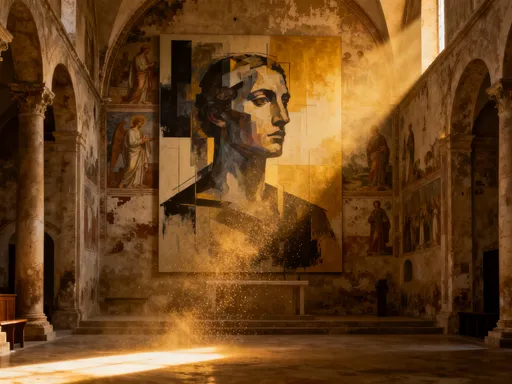
While street art brings creativity to the surface, Adelaide’s underground art scene reveals another layer of depth. Just beyond the city center, in former industrial suburbs like Port Adelaide, Bowden, and Thebarton, repurposed warehouses and factory spaces now serve as incubators for contemporary art. These are not polished institutions, but raw, functional environments where paint splatters the floor and conversation flows as freely as tea from a shared kettle. Here, art is not only displayed—it’s made, debated, and shared in real time.
One of the most respected hubs in this network is ACE Open, located in the West Park Cultural Precinct. Housed in a converted heritage building, ACE functions as a contemporary art gallery with a strong emphasis on experimental and interdisciplinary work. Unlike traditional galleries that rotate exhibitions on fixed schedules, ACE often hosts long-term projects that evolve over weeks or months. This allows visitors to return multiple times and witness the development of an idea—from sketch to installation. The space also prioritizes accessibility, offering free admission, artist talks, and workshops that encourage dialogue between creators and the public.
Another standout is The Mill, a creative precinct in Bowden that occupies a former flour mill complex. Once slated for demolition, the site was reimagined as a mixed-use space supporting artists, designers, and small creative businesses. Today, it hosts open studio days every few months, when the public is invited to step inside working studios and meet artists at their easels, looms, or digital workstations. These events are informal and welcoming—children sketch alongside parents, couples sip coffee while watching a ceramicist shape clay, and solo visitors strike up conversations with painters about technique and inspiration. There’s no barrier between the art and the audience; the process is on full display.
What makes these spaces so impactful is their authenticity. Without the formality of white-walled galleries or curated silence, they foster a sense of intimacy and immediacy. Visitors aren’t just viewing finished products—they’re witnessing the messy, beautiful struggle of creation. An artist might explain how a piece was inspired by a childhood memory, or admit they’ve repainted it three times. These moments of vulnerability build connection, turning a simple visit into a shared human experience. For many, especially women in the 30–55 age range who value meaningful engagement, this kind of interaction is far more rewarding than passive observation.
These studios also reflect Adelaide’s broader shift toward adaptive reuse in urban design. Rather than tearing down old structures, the city has embraced transformation, allowing history and creativity to coexist. Exposed brick, timber beams, and original factory windows are preserved as aesthetic features, giving each space a distinctive character. This architectural honesty mirrors the artistic ethos—nothing is hidden, everything is intentional. As a result, visiting these spaces feels less like touring a museum and more like being welcomed into a community.
The Role of Festivals: When the Whole City Becomes a Canvas
In Adelaide, festivals are not just events—they are transformations. For brief but brilliant periods each year, the entire city sheds its everyday skin and becomes a living canvas for artistic expression. Lights dance across historic facades, soundscapes echo through parklands, and temporary installations invite touch, interaction, and wonder. These festivals do more than entertain; they redefine how people relate to public space, turning sidewalks and plazas into stages for collective imagination.
One of the most immersive experiences is Illuminate Adelaide, a winter festival that blends light, music, and technology to create otherworldly environments. Over several weeks, the city’s parks, buildings, and alleyways are reimagined through large-scale projections and interactive installations. At Elder Park, visitors wander through ‘Light Cycles,’ kinetic sculptures that respond to movement with shifting colors and patterns. In the Adelaide Festival Centre, sound artists compose ambient pieces that play in response to foot traffic, creating a living soundtrack to the night. These experiences are designed to be slow, sensory, and contemplative—perfect for those seeking a thoughtful escape from daily routines.
Equally significant is the SALA Festival, which runs throughout August and showcases the work of South Australian artists in over 700 venues. What sets SALA apart is its decentralization—exhibitions appear in suburban libraries, regional galleries, and even private garages. This democratization of access means that art isn’t confined to the city center, but spreads across the state, inviting regional communities to participate. Many women in their 30s to 50s find particular value in SALA’s inclusive model, as it supports local talent, encourages intergenerational exchange, and fosters pride in community identity.
Festivals also create opportunities for family engagement. Events like ‘Art in the Park’ or ‘Family Fun Days’ at the Botanic Garden combine creativity with relaxation, offering hands-on workshops in printmaking, mask-making, or natural dyeing. These activities are designed to be accessible to all skill levels, emphasizing joy over perfection. Parents and children work side by side, creating together in a supportive environment. For mothers who often prioritize others’ needs, these moments of shared creativity offer a rare chance to reconnect—not just with their children, but with themselves.
Behind the scenes, these festivals rely on extensive collaboration between artists, city planners, volunteers, and local businesses. This network of support reflects Adelaide’s cooperative spirit, where success is measured not by ticket sales, but by participation and connection. The temporary nature of the installations adds poignancy—each piece exists for a fleeting moment, reminding us to be present. In a world that often feels rushed and digital, these festivals offer something increasingly rare: tangible, embodied experiences that engage the senses and stir the heart.
Indigenous Art: Culture, Connection, and Continuity
At the heart of Adelaide’s art scene lies a deep and enduring connection to First Nations cultures. The city sits on the traditional lands of the Kaurna people, and their presence is honored through visual art, storytelling, and public acknowledgment. For visitors seeking authentic cultural experiences, institutions like Tandanya National Aboriginal Cultural Institute offer a respectful and educational entry point into one of the world’s oldest continuous artistic traditions.
Tandanya, meaning ‘place of the red kangaroo’ in the Kaurna language, is Australia’s oldest Aboriginal-owned and managed multi-arts center. Located in the historic East End, it hosts rotating exhibitions of painting, sculpture, weaving, and digital media created by Aboriginal and Torres Strait Islander artists from across the country. Each piece is presented with detailed context—artist bios, cultural significance, and community origins—ensuring that viewers understand the work beyond its visual appeal. This emphasis on storytelling honors the function of art in Indigenous cultures, where every mark carries meaning, memory, and responsibility.
Visitors to Tandanya often describe the experience as both humbling and enlightening. The art on display is not decorative; it is deeply tied to Country, kinship, and ancestral knowledge. A painting might map sacred sites, while a woven basket could encode seasonal knowledge passed down through generations. The gallery encourages quiet reflection, with soft lighting and minimal signage that avoids overcrowding the space. Audio guides and guided tours, often led by Aboriginal educators, provide deeper insight without overstepping cultural boundaries.
Outside the gallery, public art projects also celebrate Indigenous heritage. The Yerrakartarta Trail in Victoria Square features engraved stones and bronze markers that tell Kaurna creation stories and acknowledge significant historical events. These installations are integrated into the urban landscape, ensuring that First Nations history remains visible and honored in daily life. For families and individuals alike, these sites offer meaningful opportunities to learn and reflect, fostering a sense of shared respect and understanding.
It’s important to note that engagement with Indigenous art requires mindfulness. Visitors are encouraged to approach these works with humility, avoiding photography where prohibited and listening more than speaking. Tandanya and other institutions play a vital role in setting these expectations, ensuring that cultural integrity is preserved. For many women who value empathy and connection, this aspect of Adelaide’s art scene resonates deeply—it’s not about consumption, but about relationship and remembrance.
Practical Immersion: How to Truly Engage with Adelaide’s Art Scene
Experiencing Adelaide’s art scene at a deeper level doesn’t require expertise—just curiosity and a willingness to explore. With a few practical strategies, any visitor can move beyond passive observation and engage in meaningful ways. The key is intentionality: choosing experiences that invite interaction, allowing time for reflection, and embracing the unexpected.
One of the most rewarding ways to begin is by joining an artist-led tour. Organizations like Artback NT and local community arts groups offer guided walks through street art zones, studio districts, and festival installations. These tours are led by practicing artists or curators who share insider perspectives—why a mural was placed in a certain location, how a sculpture was constructed, or what inspired a particular exhibition. Their passion is contagious, and their stories transform a simple walk into a rich narrative journey. Many tours are designed with small groups in mind, allowing for personal questions and relaxed pacing—ideal for those who prefer thoughtful exploration over rushed itineraries.
Timing your visit around major festivals can also greatly enhance your experience. Planning a trip during SALA (August), Adelaide Fringe (February–March), or Illuminate Adelaide (winter months) ensures access to pop-up exhibitions, live demonstrations, and special events. Festival seasons bring an electric energy to the city, with extended gallery hours, outdoor projections, and community celebrations. It’s also when artists are most accessible—many attend opening nights, host workshops, or perform live, offering rare opportunities for direct conversation.
For independent explorers, local art maps and mobile apps are invaluable tools. The City of Adelaide’s official website provides downloadable guides to street art trails, studio open days, and Indigenous cultural sites. These resources include walking times, public transport options, and accessibility information, making it easy to plan a full day of discovery. Using public transit—such as the free City Connector bus or Adelaide Metro trains—allows you to cover more ground without the stress of parking, while also supporting sustainable tourism.
When visiting galleries or studios, a few etiquette tips can deepen your experience. Always ask before photographing artwork, especially in intimate or community-run spaces. If an artist is present, a simple ‘thank you’ or genuine question can open a meaningful exchange. Many creators appreciate knowing what resonates with viewers, and these conversations often become highlights of the visit. For families, bringing a sketchbook or journal encourages children to respond creatively, turning observation into active participation.
Finally, allow room for spontaneity. Some of the most memorable moments happen off the itinerary—a chance encounter with a live painting session, a pop-up exhibition in a bookstore, or a street performer blending music and visual art. By staying open and present, visitors align with Adelaide’s core artistic philosophy: that art is not a destination, but a way of being.
Why This Matters: The Bigger Picture of Artful Travel
Traveling through Adelaide’s hidden art spaces offers more than aesthetic pleasure—it fosters a deeper understanding of place, people, and shared humanity. In a world increasingly dominated by fast-paced tourism and curated Instagram moments, Adelaide stands apart by championing slow, immersive engagement. Its model proves that art can be a bridge—between cultures, generations, and strangers—creating connections that last far beyond the trip itself.
For women in the 30–55 age group, who often navigate complex roles as caregivers, professionals, and community members, this kind of travel holds special significance. It offers a space to pause, reflect, and reconnect with personal creativity. Whether watching a potter shape clay, listening to a Kaurna elder’s story, or standing beneath a glowing light sculpture, these experiences nourish the soul in quiet but powerful ways. They remind us that beauty exists in the everyday, and that expression—whether through paint, thread, or sound—is a fundamental human need.
Adelaide’s approach also offers a blueprint for more meaningful tourism worldwide. By decentralizing art, supporting local creators, and prioritizing accessibility, the city demonstrates how culture can be inclusive rather than exclusive. It shows that creativity flourishes not in isolation, but through community, collaboration, and care. Other cities can learn from this model—investing in public art, protecting creative spaces, and inviting visitors to participate rather than merely consume.
In the end, Adelaide teaches us to see art not as decoration, but as dialogue. It’s a conversation between past and present, between artist and audience, between self and city. To walk its laneways is to listen—to stories etched in paint, whispered in galleries, and illuminated in the night. And in that listening, we don’t just see a city’s art. We begin to understand its heart.