You Won’t Believe How Colorful Tirana’s Art Scene Really Is
Tirana, Albania, hit me like a splash of paint to the face—in the best way possible. I didn’t expect an urban art explosion in a city I once knew nothing about. But between the graffiti-covered buildings, open-air murals, and vibrant galleries, every corner tells a story. This isn’t just decoration—it’s rebellion, history, and joy all mixed together. If you think art only lives in museums, Tirana will completely change your mind. Let me take you through the streets where color breathes life into the everyday.
First Impressions: A City Painted in Rebellion
Arriving in Tirana for the first time, the visual impact is immediate and unforgettable. Where once drab, Soviet-era concrete dominated the skyline, now a kaleidoscope of pinks, yellows, blues, and greens floods the eye. Buildings that stood for decades as silent witnesses to repression have been reborn as canvases of expression. This transformation didn’t happen by chance—it was a deliberate act of urban healing. After the fall of communism in the early 1990s, Tirana remained a gray, neglected capital, its architecture reflecting years of isolation and economic stagnation. The shift began in earnest when Edi Rama, a trained painter and former mayor, took office in 2000. Believing that aesthetics could influence civic behavior and morale, Rama launched a bold initiative to paint entire blocks in bold, unexpected colors. His vision was simple: use art to reawaken civic pride and signal a break from the past.
The results were transformative. Entire neighborhoods shed their dour facades, with apartment complexes now resembling abstract paintings from a distance. The most famous example is the Pyramid of Tirana, originally built as a museum for communist dictator Enver Hoxha. Once a symbol of oppression, it has been repurposed into a dynamic youth and innovation center, its exterior now adorned with graffiti and shifting art installations. This symbolic reclamation extends beyond single structures—it defines the city’s ethos. Where gray once stood for silence and control, color now represents freedom, diversity, and resilience. The shift was not without controversy; some critics argued that painting over history was a form of erasure. But supporters saw it as reclamation—using creativity to reclaim public space from decades of neglect.
One of the most striking transformations occurred in Blloku, once an exclusive residential zone reserved for communist elites. After the regime fell, it became a symbol of newfound freedom, eventually evolving into Tirana’s trendiest district. Today, Blloku pulses with life—its streets lined with art-covered walls, design boutiques, and open-air cafés where locals gather beneath murals that celebrate individuality and youth culture. The neighborhood embodies the city’s broader journey: from restriction to expression, from uniformity to vibrancy. Walking through Blloku, you’re not just seeing art—you’re witnessing the visual language of a society rewriting its identity.
Walking the Streets: Murals That Speak History and Hope
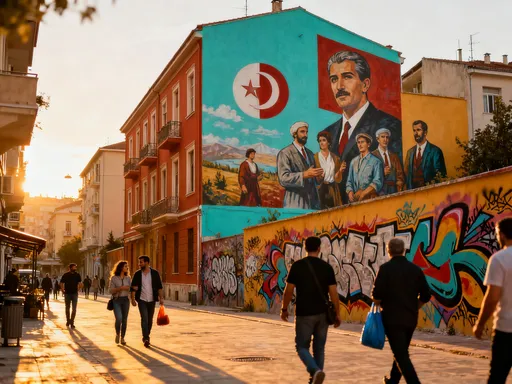
To walk Tirana’s streets is to engage in a dialogue with its soul. Along Rruga Murat Toptani, one of the city’s main thoroughfares, large-scale murals stretch across entire building fronts, turning ordinary commutes into open-air gallery tours. These are not random decorations—they are carefully conceived narratives that reflect Albania’s complex journey. One mural depicts a woman in traditional northern attire standing beside a modern student, symbolizing the bridge between heritage and progress. Another shows a child releasing a flock of doves over the ruins of a bunker, a nod to the country’s thousands of abandoned military structures and the hope of peace. These works are more than aesthetic—they are acts of remembrance, commentary, and aspiration.
Skanderbeg Square, the heart of the city, hosts some of the most powerful artistic statements. While it remains home to historical monuments and government buildings, it has also become a canvas for contemporary expression. Temporary installations often appear during cultural festivals, including large fabric banners with embroidered quotes from Albanian poets or painted floor murals that invite pedestrians to step into the artwork. International artists have contributed to this evolving landscape, but local voices remain central. The emphasis is on authenticity—murals are rarely commercial or brand-driven. Instead, they reflect grassroots concerns: youth unemployment, environmental awareness, and national identity. This commitment to meaningful content ensures that the art resonates deeply with residents, not just tourists.
Many of the murals are created through collaborative projects like the Tirana Street Art Festival, which invites artists from across Europe to work alongside Albanian creatives. The festival prioritizes community engagement, often involving local schools and neighborhood associations in the design process. This inclusivity strengthens the bond between art and society. One striking piece near the National History Museum was co-created by high school students and a visiting artist from Portugal. It portrays a tree with roots shaped like hands, its branches forming a map of Albania. The message is clear: growth comes from connection, and the future is shaped by collective effort. These murals do more than beautify—they educate, inspire, and unite.
The Pulse of Public Art: Where Every Wall Tells a Story
Beyond the main tourist routes, Tirana’s artistic energy thrives in unexpected corners. In neighborhoods like Lapraka and Kashar, art emerges organically, often without official approval. Here, the walls speak in raw, unfiltered voices—stenciled slogans call for justice, whimsical characters peek out from alleyways, and poetic phrases in Albanian are painted in looping script above doorways. This grassroots creativity is not polished, but it is powerful. It reflects the everyday concerns of residents, the humor of youth, and the quiet resistance of those who refuse to be silenced. Unlike the government-backed murals in central areas, these expressions are spontaneous, sometimes temporary, and always authentic.
The textures of these spaces add to their character. You might find a mural painted over peeling plaster, its colors bleeding slightly into the cracks, giving it a weathered, lived-in feel. Spray paint blends with mosaic tiles, and found objects—broken mirrors, bicycle parts, fabric scraps—are embedded into the walls. These details invite closer inspection, rewarding the curious traveler with hidden meanings and personal stories. In one alley in Lapraka, a series of small panels depict the daily life of a grandmother—cooking by a wood stove, tending herbs, writing letters to her grandson abroad. It’s a quiet tribute to the unsung heroes of Albanian society, created by an anonymous artist using only house paint and cardboard stencils.
Sound, too, plays a role in the experience. As you walk, you might hear the rhythmic hiss of spray cans from a nearby artist at work, or the laughter of children playing beneath a colorful wall. Music often spills from open windows—traditional folk tunes mixed with modern beats, mirroring the city’s blend of old and new. These sensory layers make the art feel alive, not frozen in time. While some cities treat street art as a spectacle to be consumed, Tirana integrates it into the rhythm of daily life. It’s not separate from the city—it is the city.
Galleries Off the Beaten Path: Discovering Tirana’s Hidden Studios
While Tirana’s streets are its most visible gallery, the city also nurtures a network of intimate, independent art spaces that offer deeper engagement. Tagon, a small artist-run studio tucked into a quiet residential block, hosts rotating exhibitions of emerging Albanian painters and sculptors. The space is unassuming—no grand facade, no entry fee—but inside, the work is bold and thought-provoking. Recent shows have explored themes like migration, memory, and the female experience in post-communist society. What sets Tagon apart is its openness; artists often attend viewings, welcoming conversations with visitors. This direct connection fosters a sense of intimacy and trust, turning passive observation into active dialogue.
Another gem is the Ex Tempore Gallery, located in a renovated 1930s villa. The gallery specializes in plein air painting, hosting annual competitions where artists create works on-site over a single weekend. The resulting pieces capture Tirana’s evolving landscape with immediacy and emotion. Visitors can watch artists at work during the event, ask questions, and even try their hand at painting with provided materials. This hands-on approach makes art accessible, especially for families and those new to the scene. The gallery also runs workshops for children, teaching basic techniques while encouraging creative freedom. These programs help cultivate the next generation of Albanian artists, ensuring that the city’s creative pulse continues to beat strongly.
What unites these spaces is their rejection of elitism. Unlike traditional museums, which can feel intimidating or formal, these galleries are warm and inviting. They don’t require prior knowledge of art history to appreciate what’s on display. Instead, they emphasize emotion, story, and connection. Many are run by young artists who returned to Albania after studying abroad, bringing fresh perspectives while staying rooted in local culture. Their work often blends international styles with Albanian motifs—Byzantine patterns reimagined in abstract form, or folk tales depicted through surreal imagery. This fusion creates a unique visual language that is distinctly Tiranan.
Art and Urban Life: How Creativity Shapes Daily Routines
In Tirana, art is not something you only visit—it’s something you live with. Locals don’t just admire murals; they interact with them. In children’s parks, you’ll find chalkboards mounted on walls where kids draw freely, their colorful scribbles changing daily. Some cafés have turned their exterior walls into rotating art displays, commissioning local artists to paint seasonal themes. One popular coffee shop in Blloku features a mural that changes every three months, often inspired by customer suggestions. This integration of art into everyday spaces makes creativity a shared experience, not a privilege for the few.
The presence of art also influences the mood and safety of neighborhoods. Studies conducted by urban planners have shown that well-maintained, art-filled areas in Tirana report lower levels of vandalism and higher community satisfaction. Residents take pride in their painted buildings, often organizing clean-up days or fundraising to restore fading murals. In some districts, local businesses have formed “art alliances,” pooling resources to sponsor new works. This collective ownership fosters a sense of belonging and responsibility. When people feel connected to their environment, they care for it more deeply.
Art also plays a role in public gatherings. On weekends, it’s common to see impromptu dance performances near large murals, with musicians and dancers using the vibrant walls as a backdrop. These events are unscripted and inclusive—anyone can join. During national holidays, communities often create temporary installations using flowers, fabric, or light, transforming streets into living celebrations. This fluid relationship between art and life ensures that creativity remains dynamic, never static. It’s not preserved behind glass—it’s lived, breathed, and remade every day.
Seasonal Shifts: Best Times to Experience Tirana’s Art Vibrancy
To fully appreciate Tirana’s artistic energy, timing your visit is key. Spring, from March to May, is ideal. The weather is mild, the skies are clear, and the city awakens after winter. This is when outdoor exhibitions begin to pop up, and artists return to the streets with renewed energy. The blooming jacaranda trees add their own purple hue to the urban palette, complementing the painted buildings. Early autumn, from September to October, offers similar conditions—warm days, cool evenings, and fewer crowds than in peak summer. These shoulder seasons provide the best balance of comfort and cultural activity.
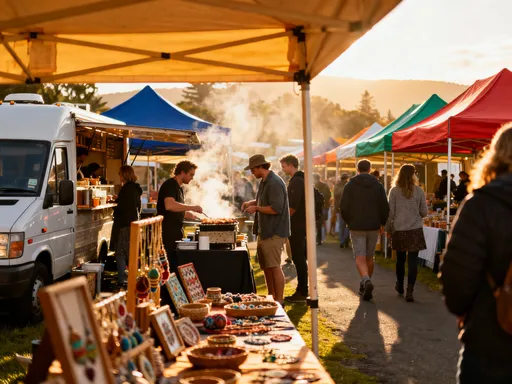
Several major events align with these periods. The Tirana International Film Festival, held each November, often includes documentaries about Albanian art and urban transformation. Screenings are accompanied by panel discussions and artist meetups, offering deeper insight into the creative scene. Even more vibrant is the Street Art Festival, typically held in late spring, when dozens of new murals are created in just a few days. The process is open to the public, with live painting sessions, music, and food trucks creating a festival atmosphere. It’s an excellent opportunity to witness art in the making and engage directly with creators.
Extended daylight during these months allows for longer exploration, especially on foot. Many of the best art experiences are discovered by wandering without a map—turning down a side street, following the sound of music, or pausing at a burst of unexpected color. Summer can be hot and crowded, particularly in Blloku, where popular cafés fill quickly. Winter, while quieter, may limit outdoor access due to rain or cold. For a balanced experience—pleasant weather, rich programming, and manageable crowds—spring and early autumn stand out as the optimal times to visit.
Beyond the Canvas: Practical Tips for an Immersive Art-Centric Trip
Planning an art-focused visit to Tirana is both exciting and accessible. Start with a walking tour—many local guides specialize in the city’s artistic evolution and can provide context that transforms a casual stroll into a meaningful journey. Look for tours led by architects, artists, or historians who can explain not just what you’re seeing, but why it matters. Some companies offer themed routes, such as “From Communism to Color” or “Women in Tirana’s Murals,” adding depth to the experience. Wear comfortable shoes, bring water, and allow time to pause and absorb the details.
Photography is encouraged, but always be respectful. Avoid climbing on murals or obstructing foot traffic for the perfect shot. If you see an artist at work, observe quietly unless invited to engage. Many locals appreciate genuine interest—asking a simple question in Albanian, like “Kush e bëri këtë?” (Who made this?), can open a warm conversation. When sharing images online, credit the artist if known, or tag local galleries and cultural organizations to support their visibility.
Pair your art exploration with visits to design-forward cafés and bakeries. Tirana has a thriving coffee culture, and many shops are located in or near art-rich areas. Enjoy a cappuccino beneath a mural, or try a traditional byrek while sitting across from a colorful street installation. For a broader perspective, take the cable car up Dajti Mountain. From the summit, you’ll get a panoramic view of the city below, where the painted rooftops and pastel buildings form a patchwork quilt stretching to the horizon. This vantage point offers a powerful reminder: Tirana’s art is not just on the walls—it’s part of the city’s very fabric.
Conclusion
Tirana proves that art isn’t confined to frames—it’s alive in the streets, woven into identity, and accessible to all. More than a destination, it’s a mindset: bold, evolving, unafraid to repaint the past. For travelers seeking authenticity and visual wonder, Tirana’s artistic soul offers a rare and lasting impression. Here, color is not just decoration—it’s dialogue, defiance, and hope made visible. Every painted wall, every spontaneous sketch, every gallery hidden in a quiet alley whispers the same message: creativity can transform not just cities, but lives. To walk Tirana is to believe in the power of renewal—and to leave, forever changed by its vibrant pulse.