You Won’t Believe These Hidden Gems in Sharjah – A Photographer’s Dream Come True
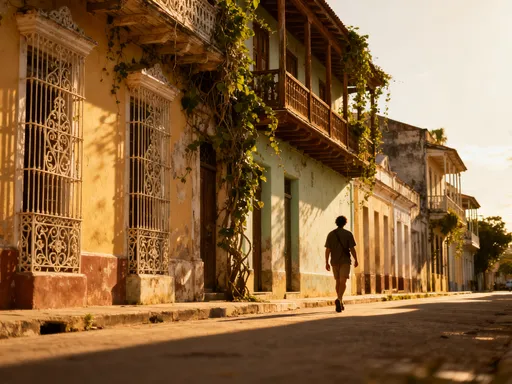
If you think the UAE is just Dubai’s skyscrapers and luxury malls, think again. Sharjah, the cultural heartbeat of the Emirates, quietly steals the show with its stunning architecture and golden light perfect for photography. I wandered its sunlit streets, camera in hand, and found myself mesmerized by intricate Islamic designs, vibrant heritage buildings, and modern structures that honor tradition. This is not just a city—it’s a visual story waiting to be captured. While its neighbors shine with futuristic glitz, Sharjah speaks in whispers of history, art, and authenticity. For photographers seeking depth, texture, and meaning in every frame, this emirate offers a rare gift: beauty with purpose, design with soul.
Why Sharjah? The Architectural Secret No One’s Talking About
Sharjah stands apart in the United Arab Emirates as a guardian of culture and heritage. Unlike its flashier neighbors, this emirate has chosen a different path—one of preservation, education, and artistic expression. Designated as the first UNESCO City of Culture in the region, Sharjah has invested heavily in maintaining its historical identity while thoughtfully embracing modernity. Its skyline does not rise in glassy spikes but unfolds in harmonious layers—wind towers beside university domes, souks shadowed by art galleries, and mosques glowing under soft evening light. This balance makes Sharjah a compelling subject for architectural photography, where every building tells a story of continuity and respect.
The city’s architectural philosophy is rooted in intentionality. Where other emirates compete in height and luxury, Sharjah competes in meaning. Buildings are not just functional—they are symbolic. The use of traditional materials like coral stone, lime plaster, and mangrove wood reflects a deep connection to the region’s past. At the same time, contemporary structures incorporate Islamic geometric patterns, shaded courtyards, and water elements that respond to the desert climate. This thoughtful integration creates a visual rhythm that is both calming and inspiring. For photographers, this means endless opportunities to capture contrasts—old and new, light and shadow, stillness and movement.
What truly sets Sharjah apart is its authenticity. There are no artificial islands or themed districts designed solely for tourism. Instead, the city invites visitors to experience its real character—its markets, museums, and residential neighborhoods. This lack of theatricality is its strength. The architecture here was not built for spectacle but for life. As a result, it offers a rare honesty in framing. Every photograph taken in Sharjah feels grounded, connected to something enduring. Whether shooting a centuries-old courtyard house or a modern cultural center, the lens captures not just form, but feeling.
For photographers seeking depth over dazzle, Sharjah is a revelation. Its streets do not shout; they speak in subtle tones. The play of sunlight on textured walls, the symmetry of arched doorways, the quiet dignity of restored buildings—these are the details that define its visual language. And because the city is less crowded with tourists, these moments remain undisturbed, waiting to be discovered. Sharjah is not just a place to take pictures. It is a place to understand what architecture can mean when it serves culture, not commerce.
Al Noor Island: Where Nature Meets Avant-Garde Design
One of Sharjah’s most striking modern landmarks, Al Noor Island, is a testament to the emirate’s ability to merge nature, art, and architecture into a single poetic experience. Shaped like a butterfly and nestled in Khalid Lagoon, the island is accessible by a gently arched pedestrian bridge that frames panoramic views of the Sharjah skyline. From the moment you step onto the island, the environment shifts—lush greenery, the soft hum of birdsong, and the shimmer of water create a sanctuary unlike any other urban space in the Gulf. For photographers, this is a dream canvas: a place where light dances on glass, leaves filter sunlight into delicate patterns, and design feels alive.
The centerpiece of Al Noor Island is the Glasshouse Pavilion, an architectural marvel inspired by the shape of a dahlia flower. Constructed with curved steel and glass panels, the structure appears to float above the ground, reflecting the sky and water in ever-changing hues. Inside, a climate-controlled environment houses hundreds of exotic butterflies, their wings fluttering like living brushstrokes against the transparent walls. Photographers can capture breathtaking reflections—of the pavilion on the lagoon, of butterflies against glass, of visitors moving through the space like figures in a dream. The interplay between transparency and opacity, nature and structure, makes this one of the most visually dynamic sites in the city.
The best time to photograph Al Noor Island is during golden hour, when the sun dips low and bathes the glasshouse in warm, golden light. The reflections on the water become mirror-like, doubling the beauty of the architecture. Early morning visits offer the added benefit of solitude—fewer crowds mean uninterrupted compositions and the chance to capture dew on leaves or mist rising from the lagoon. Long-exposure techniques work beautifully here, especially when photographing the ripples around the island’s edges or the soft blur of butterflies in flight.
Equally compelling are the island’s outdoor installations. Sculptures by international artists are thoughtfully placed among the trees and walkways, each engaging with the natural surroundings. One notable piece, a large metal tree with mirrored branches, reflects the sky and invites creative framing. Photographers can use wide-angle lenses to include both the artwork and its environment, or zoom in to isolate textures and contrasts. The island’s pathways, paved with light-colored stone, guide the eye toward focal points, making composition intuitive. With its careful balance of design and ecology, Al Noor Island proves that modern architecture can enhance, rather than overpower, the natural world.
Heart of Sharjah: Stepping Back into Traditional Emirati Architecture
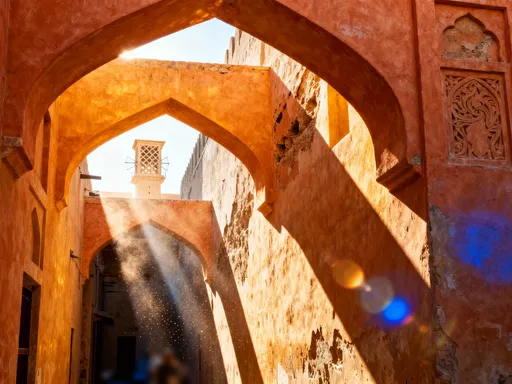
The Heart of Sharjah is not a museum—it is a living, breathing restoration of the emirate’s historic core. Spanning over 250,000 square meters, this ongoing preservation project revives the traditional architecture of old Sharjah, offering photographers a rare glimpse into the region’s pre-oil era. Winding alleyways, coral-stone buildings, wind towers, and shaded courtyards create a labyrinth of visual richness. Every corner reveals new textures: pitted walls, hand-carved wooden doors, and geometric mashrabiya screens that cast intricate shadows. This district is not staged for tourists; it is being carefully rebuilt to honor its past while serving the present, housing cultural centers, craft workshops, and small cafes.
One of the most iconic features of traditional Emirati architecture found here is the barjeel, or wind tower. These vertical structures, once the primary form of natural air conditioning, rise above buildings like sentinels of comfort. They capture cool breezes from above and funnel them into living spaces below, a brilliant example of climate-responsive design. Photographers are drawn to their geometric precision—their square or octagonal shapes, open shafts, and symmetrical openings. Shooting them from below emphasizes their height and function, while wide-angle shots from the courtyard highlight their relationship to surrounding structures. The contrast between the rough coral stone and the smooth plaster interiors adds depth to every frame.
The use of local materials defines the aesthetic of the Heart of Sharjah. Coral stone, harvested from the Arabian Gulf, gives buildings a warm, earthy tone that changes with the light. Over time, the stone weathers into soft grays and ochres, creating a palette that feels organic and timeless. Wooden beams, often made from imported mangrove, support roofs and balconies, their dark grain standing out against lighter walls. These materials were chosen not for beauty alone but for resilience—proof that sustainability was part of Emirati design long before it became a global trend. Photographers can focus on close-ups of these textures to reveal the craftsmanship behind every surface.
Navigating the narrow alleyways offers endless compositional opportunities. The low doorways, arched passages, and sudden openings into open courtyards create a rhythm of concealment and revelation. Using a 35mm or 50mm lens allows photographers to capture both intimacy and context. Shooting during mid-morning or late afternoon ensures soft, directional light that enhances depth and shadow. Reflections in old metal doors or puddles after a rare rain add unexpected layers to images. The Heart of Sharjah is not just a place to photograph buildings—it is a lesson in how architecture can shape community, memory, and identity.
Sharjah Mosque: A Masterpiece of Symmetry and Light
Rising with quiet dignity in the Al Mujarrah area, the Sharjah Mosque—officially known as the Al Noor Mosque—is one of the most photogenic religious structures in the UAE. Built in the Ottoman style, its grand white domes and slender minarets create a silhouette that is both elegant and powerful. Unlike many mosques in the region, this one welcomes non-Muslim visitors through guided tours, making it a rare opportunity to photograph interior spaces usually closed to the public. For photographers, the mosque offers a masterclass in symmetry, proportion, and the emotional power of light.
The exterior is a study in balance. The central dome, flanked by smaller domes and two 45-meter-tall minarets, forms a harmonious composition that works beautifully in wide-angle shots. The white marble façade reflects sunlight during the day and glows under evening illumination, making it equally compelling at different times. The courtyard, paved with geometric patterns in light and dark stone, leads the eye toward the main entrance. Water features, including shallow pools and fountains, add reflective surfaces that double the visual impact. Capturing the mosque at dawn, when the sky is soft pink and the ground is still cool, yields images of serenity and grandeur.
Inside, the prayer hall is a symphony of Islamic art. The ceiling rises in concentric rings of calligraphy, featuring verses from the Quran in elegant thuluth script. Chandeliers hang like celestial bodies, casting a warm glow over the vast space. The carpet, a deep red with intricate floral patterns, stretches uninterrupted from wall to wall, emphasizing the room’s symmetry. Photographers can use a tripod to capture long exposures that smooth the light and enhance depth. Shooting from the back of the hall toward the mihrab (prayer niche) creates a strong sense of perspective, with rows of columns guiding the eye forward.
Respectful photography is essential. Visitors must dress modestly—women should cover their hair, arms, and legs, and men should avoid shorts. Photography is allowed only during designated tour times and without flash, to preserve the sanctity of the space. These guidelines ensure that the experience remains dignified for all. For photographers, this means planning ahead: bringing appropriate clothing, checking tour schedules, and being patient. The reward is access to one of the most beautiful interiors in the Gulf—a space where every detail, from the stained-glass windows to the hand-painted tiles, speaks of devotion and craftsmanship.
University Campus Architecture: Modernity Rooted in Culture
Sharjah’s commitment to education is mirrored in the design of its academic institutions, where architecture serves both function and philosophy. The American University of Sharjah (AUS) and the University of Sharjah showcase how modern campuses can honor cultural identity while embracing innovation. Their buildings are not generic concrete boxes but thoughtful compositions that respond to climate, community, and heritage. Wide shaded walkways, central courtyards, water features, and domed roofs create spaces that are both practical and poetic. For photographers, these campuses offer a unique blend of scale, symmetry, and human activity.
At AUS, the campus layout follows a grid pattern centered around open plazas and green spaces. The architecture combines minimalist modernism with Islamic influences—geometric screens filter sunlight, domes crown key buildings, and reflective pools enhance cooling. The library, with its soaring atrium and glass walls, is a standout. Inside, natural light floods through skylights, illuminating reading areas and staircases that spiral like DNA strands. Photographers can capture the interplay between structure and movement—students walking under shaded arcades, light patterns shifting on marble floors, reflections in glass walls. The human element adds life to the architecture, turning static buildings into dynamic scenes.
Outside, the use of water is both aesthetic and functional. Fountains and shallow pools not only cool the air but also create reflective surfaces that double the visual impact of buildings. Shooting during late afternoon, when the sun is low, enhances these reflections and casts long shadows across walkways. Wide-angle lenses are ideal for capturing the scale of central plazas, while telephoto lenses can isolate details like carved stone panels or the texture of concrete walls. The campus’s color palette—creams, grays, and soft browns—feels grounded and serene, a deliberate contrast to the bright colors of commercial districts.
Access for visitors varies by institution, but many areas are open to the public, especially during cultural events or open days. The University of Sharjah’s mosque and central library, for example, are architecturally significant and often accessible. These spaces blend grandeur with humility—large enough to inspire awe, yet designed to serve daily needs. Photographing them at different times of day reveals how light transforms the experience: bright and energetic in the morning, calm and introspective in the evening. In Sharjah’s universities, architecture is not just about shelter—it is about shaping minds and moments.
Al Majaz Waterfront & Marina: Urban Elegance with a Photographic Edge
The Al Majaz Waterfront is one of Sharjah’s most vibrant public spaces, where urban design meets leisure and artistry. Stretching along Khalid Lagoon, this promenade blends modern towers, traditional dhow boats, fountains, and public art into a dynamic visual tapestry. By day, it is a place of movement—joggers, families, and cyclists enjoying the shaded walkways. By night, it transforms into a luminous stage, where light installations, illuminated bridges, and skyline reflections create a photographer’s paradise. Unlike more commercial waterfronts in the region, Al Majaz retains a sense of openness and accessibility, making it ideal for both wide compositions and intimate street photography.
The contrast between old and new is striking here. Sleek high-rises with glass facades stand beside wooden dhows moored at the marina, their sails folded like resting wings. This juxtaposition tells the story of Sharjah’s journey—from a coastal trading town to a modern city—without erasing its past. Photographers can frame shots that include both elements, using leading lines from the promenade to draw the eye from foreground dhows to background towers. The reflective surface of the lagoon doubles the impact, especially at dusk when the sky turns gold and pink. Long-exposure techniques capture the smooth trails of moving boats or the rhythmic bursts of the musical fountain.
Public art installations add narrative depth to the space. Sculptures like the giant metal lotus or the calligraphy-inspired light displays invite creative framing. One notable piece, a series of illuminated Arabic letters spelling “Salam” (peace), glows softly at night, symbolizing the city’s values. Photographers can use these installations as focal points, surrounding them with context—people walking by, water ripples, or the blurred lights of passing cars. The interaction between art, architecture, and human activity makes Al Majaz feel alive, not staged.
Night photography here is particularly rewarding. The absence of overwhelming commercial signage keeps the light pollution low, allowing for clean, balanced exposures. Tripods are useful for capturing sharp images of reflections and light trails. Using a small aperture (f/8 to f/16) ensures both foreground and background remain in focus. The illuminated bridge connecting Al Majaz to the city center creates a strong leading line, especially when shot from a low angle. Whether capturing the quiet stillness of a dhow at dawn or the vibrant energy of a weekend evening, Al Majaz offers a rich, evolving canvas for photographers.
Practical Tips for Photographers: Gear, Timing, and Local Etiquette
Photographing Sharjah’s architecture requires more than a good camera—it demands preparation, respect, and timing. The most versatile lens for this kind of work is a 24mm–70mm zoom, which covers wide-angle shots of buildings and tighter compositions of details like carvings or textures. A tripod is essential for low-light and long-exposure photography, especially at mosques, waterfronts, or indoor spaces. A polarizing filter can help reduce glare on glass and water, enhancing contrast and color depth. Because many sites involve walking on uneven surfaces or in direct sun, comfortable footwear and a lightweight bag are practical necessities.
Timing is critical. The harsh midday sun in Sharjah creates strong shadows and blown-out highlights, making early morning and late afternoon the best windows for photography. Golden hour—about an hour after sunrise and before sunset—offers soft, warm light that enhances textures and adds dimension to buildings. During winter months (November to March), the weather is cooler and the light is clearer, making it the ideal season for extended shoots. It’s also wise to plan around prayer times, especially when visiting mosques or residential areas, to avoid disruptions and respect local customs.
Drone photography is subject to strict regulations in the UAE. In Sharjah, flying a drone requires prior permission from the General Civil Aviation Authority (GCAA) and sometimes local police approval. Unauthorized flights can result in fines or confiscation. Popular sites like Al Noor Island and the Heart of Sharjah are often in restricted zones. Photographers should research regulations in advance and apply for permits if needed. Alternatively, using elevated viewpoints—such as parking garages or public observation areas—can yield high-angle shots without breaking rules.
Respect for local culture is non-negotiable. When photographing people, especially near heritage sites or in traditional clothing, always ask for permission. Avoid intrusive behavior or long zoom shots that feel invasive. Dress modestly when visiting religious or conservative areas—this not only shows respect but also helps photographers blend in and gain trust. Sharjah is a city that values dignity and tradition, and those who approach it with humility will find it generous in return. Every photograph taken here should reflect not just beauty, but understanding.
Conclusion: Sharjah’s Architecture Is More Than Stone – It’s a Story
Sharjah is not a city that reveals itself quickly. Its beauty is not in grand gestures but in quiet details—the curve of a wind tower, the pattern of a mosaic, the way light falls on a courtyard wall. For photographers, this means patience is rewarded. Every arch, dome, and window is a chapter in the story of Emirati identity, one shaped by tradition, faith, and a deep respect for knowledge and peace. Unlike destinations built for spectacle, Sharjah invites contemplation. It asks the lens to look deeper, to see beyond surfaces, to capture the soul behind the structure.
This emirate proves that architecture can be both modern and meaningful, innovative and rooted. From the butterfly wings of Al Noor Island to the calligraphy of the Sharjah Mosque, from the coral-stone lanes of the Heart of Sharjah to the scholarly halls of its universities, the city offers a rare coherence—a vision of progress that does not erase the past. For photographers, this is not just a collection of sites to visit, but a narrative to follow, a rhythm to feel.
Too often, Sharjah is seen as a stopover, a quiet neighbor to more famous cities. But those who take the time to explore it discover a different truth: it is a destination in its own right. It is a place where culture is not performed but lived, where design serves purpose, and where every photograph carries weight. So come with curiosity. Come with a full memory card. Walk slowly. Look closely. Let Sharjah tell its story—one frame at a time.