You Won’t Believe These 5 Auckland Districts Are Real
Auckland isn’t just a city—it’s a collection of wildly different neighborhoods, each with its own vibe. I never expected to find surf breaks next to skyscrapers or hipster cafes tucked behind industrial docks. From the artistic pulse of Karangahape Road to the coastal charm of Devonport, every district tells a story. If you're planning a visit, skip the generic guides—this is the real Auckland, seen through the eyes of someone who’s wandered every corner. Let me show you the side most tourists completely miss.
Tāmaki Makaurau’s Urban Heart: Central Auckland
At the core of Tāmaki Makaurau—Auckland’s Māori name—lies its dynamic central business district, a place where modern ambition meets deep cultural roots. Towering glass skyscrapers stand shoulder to shoulder with heritage-listed buildings, creating a skyline that reflects both progress and preservation. Aotea Square, often called the city’s living room, hosts everything from political rallies to outdoor performances, serving as a civic heartbeat. Just steps away, the Britomart Transport Centre seamlessly blends historic architecture with contemporary design, acting as a gateway not only for commuters but for visitors eager to explore the city on foot.
The waterfront precinct has undergone a remarkable transformation over the past two decades. Once dominated by shipping terminals and storage facilities, it now features wide promenades, native landscaping, and public art installations that celebrate Māori and Pacific Island heritage. Places like the Viaduct Harbour offer a blend of fine dining, boutique hotels, and marina views, while still maintaining access to cultural landmarks such as the Auckland Art Gallery Toi o Tāmaki. This balance between development and identity makes central Auckland more than just a commercial hub—it’s a place where history is visible in the cobblestones and contemporary life unfolds in every café and courtyard.
For first-time visitors, beginning a journey here provides essential context. Walking from the Town Hall to the Ferry Building, one can feel the rhythm of the city—its pace, its diversity, its openness. The area is well-connected by public transport, making it an ideal launchpad for deeper exploration. Whether attending a live performance at The Civic or simply watching street performers on Queen Street, the downtown core offers an authentic introduction to Auckland’s layered character. It’s not just about seeing sights; it’s about sensing the city’s pulse from the very start.
Creative Pulse: Karangahape Road and Surrounds
Karangahape Road, affectionately known as K’Rd, pulses with creative energy unlike anywhere else in Auckland. Once a major arterial route, it has evolved into a vibrant cultural corridor where art, activism, and alternative lifestyles converge. The streets are lined with bold murals, many painted during community-led festivals, transforming blank walls into open-air galleries. Independent fashion boutiques, vintage stores, and underground music venues occupy repurposed buildings, giving the area a raw, unpolished charm that feels both authentic and alive.
The transformation of K’Rd reflects broader shifts in urban development—gentrification has brought new cafes and apartments, but local artists and grassroots organizations have fought hard to maintain the district’s soul. Community spaces like the Audio Foundation and Salon Pour Faux host experimental sound art and performance pieces, ensuring that creativity remains accessible. Even amid rising rents, pop-up galleries and artist collectives continue to thrive in unexpected corners, from basement studios to former laundromats.
For visitors seeking an authentic experience, timing is key. Weekends bring foot traffic and markets, but weekday evenings offer a more intimate glimpse into the neighborhood’s nightlife. Catching a live band at Neck of the Woods or enjoying craft coffee at a tucked-away roastery like Little Prince provides a real sense of place. The area’s multicultural restaurants—featuring Ethiopian, Thai, and Middle Eastern cuisines—reflect its diverse community. More than just a destination, K’Rd invites participation. It’s not about passive observation; it’s about engaging with a living, evolving culture that resists easy categorization.
Waterfront Magic: Wynyard Quarter’s Reinvention
The Wynyard Quarter stands as one of Auckland’s most successful examples of urban renewal. Once a maze of derelict warehouses and working wharves, this 32-hectare district on the western waterfront has been reimagined as a model of sustainable city living. Designed with eco-conscious principles, the area features rainwater harvesting systems, solar lighting, and recycled building materials. But sustainability doesn’t mean austerity—Wynyard Quarter is lively, welcoming, and visually striking, with wide pedestrian paths, green spaces, and sweeping views of the harbor.
Silo Park, the district’s centerpiece, hosts free outdoor movies in summer, farmers’ markets on weekends, and seasonal festivals that draw families and food lovers alike. The dining scene here is particularly strong, with restaurants like The Crab Shack and Baduzzi offering fresh seafood and inventive fusion dishes in relaxed, harbor-side settings. Food trucks line the promenade during peak hours, serving everything from Korean tacos to artisan gelato, creating a casual, inclusive atmosphere that appeals to locals and tourists equally.
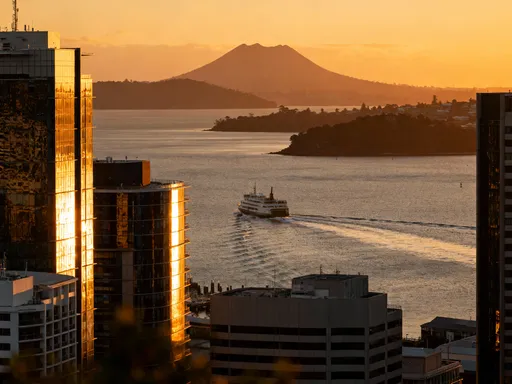
One of the best ways to experience Wynyard Quarter is by combining a visit with a ferry ride from downtown. Arriving by water offers a stunning perspective—skyscrapers fade into the background as the industrial-chic architecture of the quarter comes into view. Strolling along the floating wetlands or pausing at the Te Wero Bridge at sunset reveals a city reinventing itself without losing sight of its connection to the sea. For families, the playgrounds and open lawns provide safe, engaging spaces, while couples and solo travelers enjoy the quiet corners perfect for reflection. Wynyard Quarter proves that modern urban design can be both functional and beautiful, a place where people naturally want to gather, linger, and return.
Coastal Escape: Devonport’s Village Charm
Few places capture the essence of Auckland’s coastal lifestyle quite like Devonport. Accessible by a short, scenic 12-minute ferry ride from downtown, this historic suburb feels like a world apart. Tree-lined streets wind past elegant Edwardian and Victorian homes, many painted in soft pastels, while the scent of salt air mingles with blooming jasmine. The pace is unhurried, the conversations slower—this is a place designed for strolling, not rushing.
Mount Victoria, a volcanic cone rising 86 meters above sea level, offers one of the most rewarding walks in the city. The path, lined with native pōhutukawa trees, leads to panoramic views of the Waitematā Harbour, Rangitoto Island, and the Auckland skyline. At the summit, historic gun emplacements from World War II remain preserved, offering a quiet reminder of the area’s strategic importance. Nearby, the Torpedo Bay Navy Museum provides an engaging look at New Zealand’s naval history, with interactive exhibits that appeal to children and adults alike.
Victoria Road, the village’s main strip, is dotted with independent bookshops, art galleries, and cozy cafés. One standout is Depot, a waterfront café housed in a converted tram shed, where locals gather for flat whites and avocado toast with a view. The beach itself is ideal for a midday swim or a sunset picnic, with calm waters protected by a natural harbor. Unlike more commercialized destinations, Devonport retains a genuine sense of community. There are no chain stores, no neon signs—just a village that has grown gracefully over time, welcoming visitors without compromising its identity. A half-day trip here offers not just a change of scenery, but a change of spirit.
Cultural Crossroads: Newmarket’s Style and Substance
Newmarket occupies a unique space in Auckland’s urban fabric—upscale yet accessible, fashionable yet functional. Known for its concentration of high-end retail, the district draws shoppers from across the region, but it offers much more than luxury brands. The pedestrian-friendly upgrades along Broadway and Broadway Avenue have transformed the area into a walkable, tree-shaded destination where fashion, food, and architecture intersect in surprising ways.
Architecture here tells a story of evolution. Art Deco facades stand beside sleek glass towers, while restored heritage buildings now house designer boutiques and specialty coffee roasters. The blend of old and new creates a visually rich environment that rewards slow exploration. Dining options reflect Auckland’s multicultural makeup, with acclaimed restaurants serving Japanese kaiseki, modern Mediterranean, and contemporary Māori-inspired cuisine. Even a simple lunch at a sidewalk bistro feels like part of a larger urban experience.
To avoid the midday crowds, early mornings or weekday evenings are ideal. During these quieter hours, the district reveals its more relaxed side—locals walking dogs, students studying in quiet corners, and shop owners chatting across storefronts. Just off the main drag, side streets like Gladstone Road hide gems: a family-run deli with imported cheeses, a small florist arranging seasonal bouquets, a bookstore specializing in New Zealand literature. These details matter. They show that Newmarket, despite its reputation for affluence, still values craftsmanship, community, and authenticity. It’s a place where style and substance aren’t mutually exclusive, but deeply intertwined.
Suburban Soul: Ponsonby’s Evolving Identity
Ponsonby has long been considered the trendsetter of Auckland’s inner suburbs, but its identity is more complex than its reputation suggests. Once a working-class neighborhood, it has transformed over decades into a hub of brunch culture, boutique shopping, and stylish nightlife. Tree-lined avenues lead to hidden laneways filled with intimate bars, vintage clothing stores, and chef-driven eateries. The area’s Victorian villas, many restored with care, now house design studios, yoga studios, and artisan bakeries.
Yet with popularity comes tension. Rising property prices and commercial rents have pushed out some long-time residents and small businesses, raising questions about authenticity and accessibility. Still, Ponsonby retains pockets of genuine character. Places like Three Lamps Square, once a quiet intersection, now buzzes with weekend markets and live music, drawing a diverse crowd. The Ponsonby Road Farmers Market, held every Sunday, features local growers, bakers, and craftspeople, reinforcing a commitment to sustainability and community.
For visitors, the key is to look beyond the obvious. While Ponsonby Central attracts queues for its famous brunch spots, quieter alternatives like Giapo (an innovative gelato bar) or Grey Lynn Bakery offer equally memorable experiences without the wait. The side streets—such as Richmond Road and Jervois Road—harbor vintage stores like Miss Crabb and Arthur Brown, where curated collections tell stories of fashion past and present. Evenings bring a different energy, with low-lit wine bars and live jazz venues creating an atmosphere that’s sophisticated but never pretentious. Ponsonby may be trendy, but it remains a place shaped by people, not just trends.
Green Gateway: Mission Bay and the Eastern Suburbs
Mission Bay epitomizes the Auckland summer—a sun-drenched waterfront strip where families gather, couples stroll, and children race toward the water’s edge. Located just 10 kilometers east of the city center, this popular destination offers a perfect blend of relaxation and recreation. The palm-lined promenade, one of the few in the country, stretches along the edge of the Hauraki Gulf, providing uninterrupted views of Rangitoto Island, a volcanic cone that rises dramatically from the sea.
The beach, though not ideal for strong swimmers due to its shallow slope, is perfect for paddling and sandcastle building. Public barbecues, picnic tables, and grassy lawns make it a favorite for weekend gatherings. Ice cream shops like Giapo and Kilbirnie serve inventive frozen treats, drawing lines even on cooler days. The real magic, however, lies in the atmosphere—the laughter of children, the clink of coffee cups, the soft hum of conversation under pōhutukawa trees.
Mission Bay is more than just a beach; it’s a gateway to Auckland’s eastern coastal walks. The Tamaki Drive pathway connects it to St Heliers, Kohimarama, and eventually Bastion Point, offering cyclists and walkers a scenic route with constant harbor views. At sunrise, the path is often filled with joggers and dog walkers, while weekends bring families on scooters and tandem bikes. Nearby, the Orakei Basin provides a quieter alternative—its calm waters host rowing clubs and paddleboarders, framed by native bush and restored wetlands.
What makes Mission Bay enduringly popular is its accessibility and inclusiveness. There are no entry fees, no reservations, no exclusivity—just open space and shared enjoyment. It’s a place where Aucklanders of all backgrounds come together, not as tourists or locals, but simply as people who love their city. Whether you’re watching a kite soar above the water or sharing fish and chips on a bench at dusk, Mission Bay offers a simple, profound truth: happiness often comes in the quietest moments.
Auckland’s districts aren’t just places on a map—they’re living, breathing worlds shaped by geography, culture, and constant change. By exploring them deeply, you don’t just see the city; you feel its heartbeat. Whether you're drawn to art, ocean, or urban energy, there’s a corner that will surprise you. The real magic? Discovering how these diverse neighborhoods come together to form one unforgettable city. Each district offers a different rhythm, a unique story, a new way of understanding what it means to live, work, and play in this dynamic metropolis. From the creative spark of K’Rd to the tranquil shores of Devonport, from the modern elegance of Wynyard Quarter to the sunlit charm of Mission Bay, Auckland reveals itself not in grand gestures, but in quiet details—the way light hits a harbor at dusk, the sound of a street musician on Ponsonby Road, the warmth of a café owner remembering your coffee order. These are the moments that linger. And they remind us that the best travel experiences aren’t about checking off landmarks—they’re about connection, discovery, and the joy of stumbling upon something real. So step off the beaten path. Let the city guide you. You might just find a version of Auckland—and yourself—you never expected.